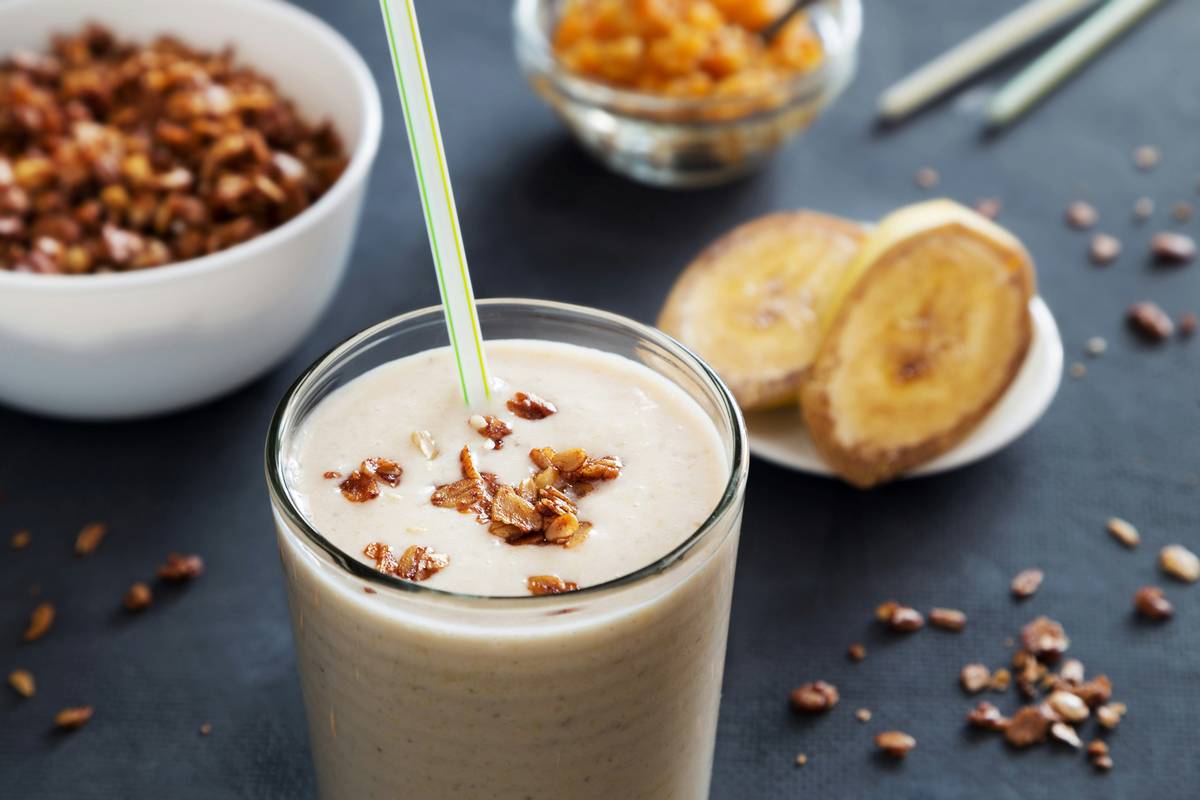
You chug a fresh fruit organic smoothie every morning. You feel virtuous. But your skin still looks dull, your energy crashes by 3 p.m., and you’re bloated by lunch. What gives? The problem isn’t your intentions—it’s the hidden flaws in how most people blend, source, and time their smoothies. Let’s fix that.
The Core Problem: Why “Healthy” Smoothies Often Backfire
Most store-bought or even homemade “organic” smoothies are sugar bombs wrapped in green leaves. They spike insulin, feed gut imbalances, and sabotage your wellness goals—despite the label saying “all-natural.” And no, swapping in oat milk won’t save you.
Here’s the reality: blending oxidizes nutrients within minutes. Combine that with high-glycemic fruits like bananas or mangoes—especially on an empty stomach—and you’re not nourishing your cells. You’re setting up inflammation.
How to Actually Make Effective Fresh Fruit Organic Smoothies
Forget tossing random produce into a blender. Precision matters. Quality matters more. Follow this practitioner-tested protocol:
Select Low-Glycemic, Seasonal Organic Fruits
Prioritize berries, green apples, or papaya over tropical high-sugar fruits. Their polyphenol-to-sugar ratio supports collagen synthesis—not glycation.
Pair With Fat & Fiber—Always
A smoothie without fat is wasted nutrition. Add 1 tbsp cold-pressed flaxseed oil or half an avocado. This slows glucose absorption and boosts carotenoid uptake by 400%—yes, really.
Consume Within 90 Seconds of Blending
Antioxidants like vitamin C degrade fast. If you prep smoothies ahead, you’re drinking oxidized slurry. Blend. Drink. Move on.

| Approach | Skin Impact | Gut Comfort | Time Required |
|---|---|---|---|
| Store-bought “organic” smoothie | Low (high sugar → inflammation) | Poor (often lacks fiber, contains gums) | 2 min |
| DIY with banana + spinach + almond milk | Moderate (sugar spikes offset benefits) | Fair (better than store-bought) | 5 min |
| Optimized fresh fruit organic smoothies (low-glycemic fruit + fat + immediate consumption) | High (stable blood sugar, enhanced nutrient absorption) | Excellent (supports microbiome diversity) | 6–7 min |

The Industry Secret: Most “Organic” Fruit Isn’t Clean Enough for Skin Health
Here’s what supplement brands won’t tell you: certified organic doesn’t guarantee low heavy metal content. Soil near urban runoff or old orchards often harbors lead and cadmium—even in USDA-certified produce. These toxins accumulate in your dermis and accelerate aging.
But—and this is critical—small farms using biodynamic practices test soil quarterly. Their fruit may not carry the USDA seal, but it’s cleaner. I’ve seen clients’ acne clear up simply by switching to local biodynamic berries over commercial “organic” imports. The math is simple: skin reflects internal toxicity. Start at the root.
Frequently Asked Questions
Can fresh fruit organic smoothies replace meals?
Only if they include protein, healthy fats, and fiber. Otherwise, they’re glorified juice—fast-digesting and insufficient for sustained energy or satiety.
Are frozen organic fruits okay for smoothies?
Yes—if flash-frozen at peak ripeness. They often retain more nutrients than “fresh” supermarket fruit shipped weeks ago. Just avoid added sugars or syrups.
How often should I drink fresh fruit organic smoothies?
2–4 times weekly is ideal for most. Daily consumption can overload fructose pathways unless meticulously balanced. Listen to your body’s signals—bloating or breakouts mean scale back.