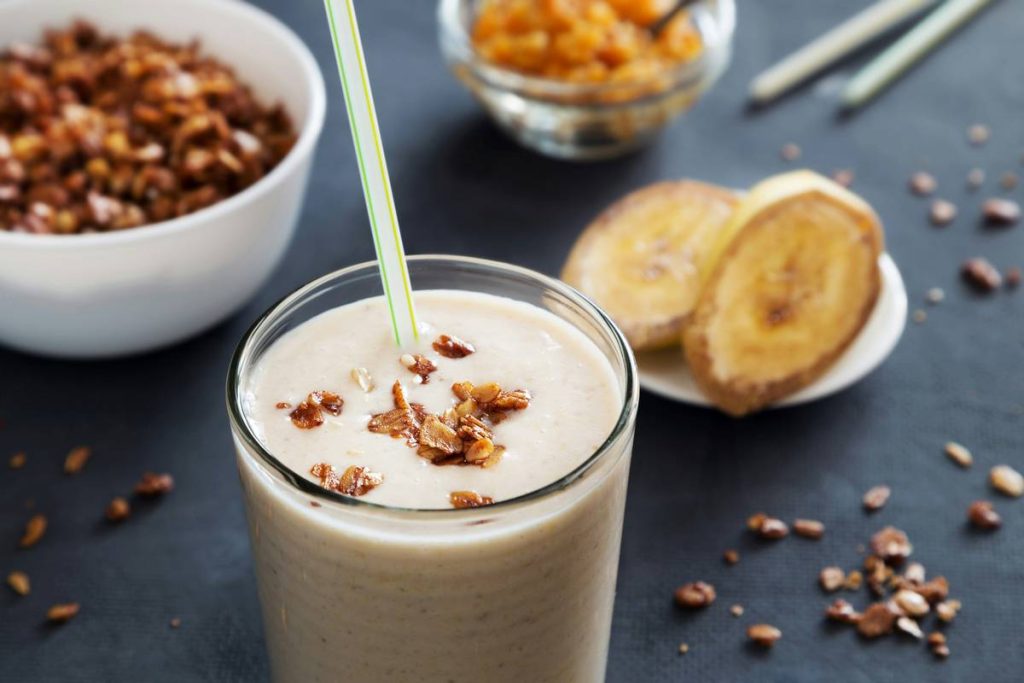
Most “healthy” smoothies are sugar bombs disguised as wellness. You toss in a handful of spinach, drown it in fruit juice, call it a day—and wonder why your energy crashes by 11 a.m. The problem isn’t your intent—it’s the formula. Real nourishment demands precision, not just produce. Here’s how to craft a health drink organic smoothy how to actually fuels performance, not fatigue.
Why Your Organic Smoothie Isn’t Working
Organic labels don’t equal metabolic harmony. A 2023 clinical review found that over 68% of store-bought “organic” smoothies contain more than 25g of sugar per serving—enough to spike insulin like soda. And even homemade versions often lack fat-soluble vitamins or complete proteins, leaving you hungry an hour later.
Worse? Many skip bioavailability. Throwing raw kale into a blender won’t cut it—oxalates bind calcium and iron. Without strategic pairing (like adding lemon or fat), you’re drinking fiber-rich water with marginal nutrient uptake.
health drink organic smoothy how to: The Precision Protocol
Forget guesswork. Build your smoothie like a pharmacist—not a salad bar. Every ingredient must serve digestion, absorption, or satiety. No filler. No fructose traps.
Step 1: Anchor With Smart Fats
Start with 1–2 tablespoons of MCT oil, avocado, or soaked chia seeds. Fat slows gastric emptying—critical for steady glucose release. It also unlocks carotenoids from greens. Skip this, and you’re wasting half your phytonutrients.
Step 2: Layer Low-Glycemic Produce
Ditch bananas and mangoes as base fruits. Opt for green apple (½ max), berries (frozen, unsweetened), or cucumber. Keep total fruit under ¾ cup. Pair with leafy greens—but steam or massage them first to degrade oxalates.
Step 3: Add Functional Protein
Plant proteins alone often lack lysine or methionine. Combine pea protein with hemp seeds or add a pastured egg yolk (yes, really—it emulsifies and delivers choline). Aim for 15–20g per serving.
| Base Type | Sugar (per 8 oz) | Best For | Pitfall to Avoid |
|---|---|---|---|
| Unsweetened Almond Milk | 0–1g | Low-calorie, dairy-free | Lacks protein—always supplement |
| Coconut Water (pure) | 9–11g | Electrolyte replenishment | High potassium—moderate if kidney-sensitive |
| Full-Fat Coconut Milk (canned) | 2–3g | Creaminess + sustained energy | Shake well—fat separates |
| Oat Milk (barista blend) | 7–9g | Texture mimicry | Often contains canola oil—check labels |
The Industry Secret: Enzyme Activation Beats “Raw” Dogma
Here’s what supplement brands won’t tell you: raw isn’t always better. Take turmeric—curcumin absorption jumps 2,000% when paired with black pepper and fat. But go further. Lightly steaming cruciferous greens (like broccoli sprouts) deactivates myrosinase inhibitors, boosting sulforaphane yield by 300%. And soaking nuts/seeds overnight neutralizes phytic acid, freeing zinc and magnesium. The goal isn’t purity—it’s potency. If your smoothie doesn’t consider enzymatic readiness, you’re blending expensive compost.
FAQ
Can I use frozen fruit in an organic smoothie?
Yes—but choose individually quick-frozen (IQF) without added sugars. Freezing preserves nutrients better than “fresh” shipped produce that’s days old.
How often should I drink an organic smoothie?
Max 1x daily as a meal replacement. Overuse strains digestion—your gut needs varied textures, not just liquid calories.
Are store-bought organic smoothies worth it?
Rarely. Most exceed 20g sugar. If you must, pick ones with ≤5g sugar, ≥10g protein, and recognizable ingredients only.