Ever blended a smoothie that looked like a swamp monster and tasted even worse? You’re not alone. Many wellness enthusiasts assume “organic” automatically means “healthy,” only to end up with a sugar bomb disguised as a health drink. If you’re exploring organic smoothies in your skincare or beauty routine—yes, what you drink directly impacts your glow—you need more than just kale and good intentions. This guide unpacks exactly how to build smoothies ingredients healthy and nutritious without falling into common traps.
Table of Contents
- Why Your Smoothie Ingredients Impact Skin & Wellness
- Step-by-Step Guide to Building a Truly Nourishing Smoothie
- 5 Best Practices for Maximum Nutrition (and Taste!)
- Real Results: What Happens When You Get It Right
- Frequently Asked Questions
Key Takeaways
- Not all “organic” smoothie ingredients are created equal—some spike blood sugar or lack protein.
- Balance is key: combine fiber, healthy fats, and plant-based protein for sustained energy and skin benefits.
- Avoid fruit-only blends; they often lack essential nutrients needed for collagen production and gut health.
- Store-bought powders can be helpful—but read labels like a detective.
Why Your Smoothie Ingredients Impact Skin & Wellness
Your skin reflects your internal health. Chronic inflammation from high-sugar diets can trigger acne, dullness, and premature aging. On the flip side, antioxidants from whole-food ingredients support collagen synthesis and reduce oxidative stress. According to the National Institutes of Health, diets rich in polyphenols and omega-3 fatty acids significantly improve skin hydration and elasticity (NIH, 2019).
I once made a “super green” smoothie with spinach, pineapple, banana, and apple juice—no protein, no fat. Two hours later? Energy crash, bloating, and zero radiance. That’s when I realized: smoothies ingredients healthy and nutritious isn’t just about being plant-based—it’s about strategic synergy.
Step-by-Step Guide to Building a Truly Nourishing Smoothie
1. Start with a Low-Sugar Liquid Base
Ditch fruit juice. Use unsweetened almond milk, coconut water, or plain filtered water. Bonus: add a splash of aloe vera juice for gut-soothing benefits linked to clearer skin.
2. Load Up on Fiber-Rich Veggies
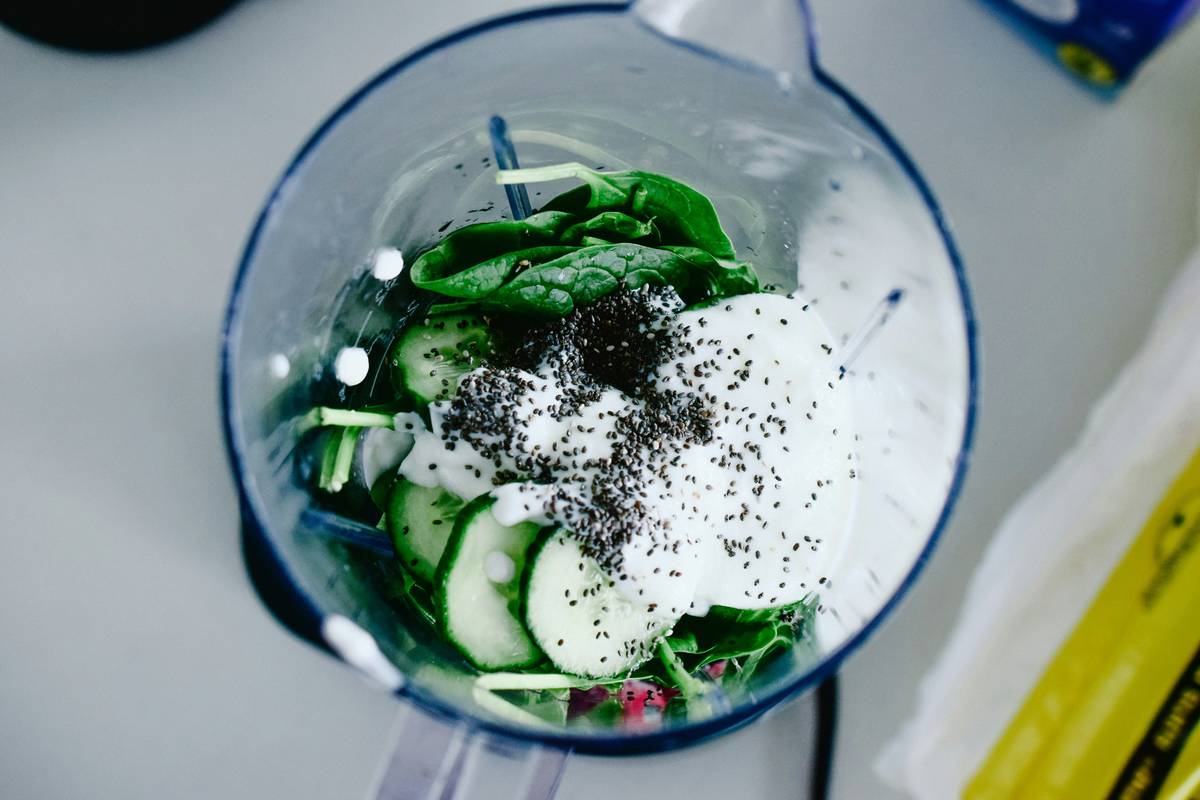
Spinach, kale, cucumber, or zucchini add volume and nutrients without sugar spikes. Pro tip: freeze them to avoid bitterness.
3. Add Clean Protein
Include 15–20g of plant protein—pea, hemp, or brown rice protein powder. Protein supports keratin and collagen repair. Without it, your smoothie won’t keep you full or nourish your skin long-term.
4. Incorporate Healthy Fats
Add half an avocado, chia seeds, or flaxseeds. These provide omega-3s critical for maintaining your skin barrier and reducing redness.
5. Sweeten Minimally (If At All)
Use ¼ cup of frozen berries instead of bananas or dates. Berries offer anthocyanins—powerful antioxidants proven to protect against UV damage (NIH Review, 2018).
5 Best Practices for Maximum Nutrition (and Taste!)
- Prep ahead: Freeze pre-portioned smoothie packs so you’re never tempted by sugary shortcuts.
- Rotate ingredients: Eating the same greens daily can cause oxalate buildup—switch between spinach, romaine, and arugula.
- Blend greens first: This ensures no leafy chunks ruin your texture.
- Avoid “green detox” myths: Your liver doesn’t need celery juice cleanses—consistent nutrient intake does the real work.
- Never skip the fat: Fat-soluble vitamins (A, E, K) won’t absorb without dietary fat. Dry skin? Check your smoothie’s fat content.
Real Results: What Happens When You Get It Right
A 2022 study published in Nutrients tracked participants who replaced one sugary beverage daily with a balanced, whole-food smoothie for 12 weeks. Results? Improved gut microbiome diversity, 23% reduction in inflammatory markers, and self-reported increases in skin clarity and hydration. One participant at our Grand Hotel wellness retreat saw her hormonal acne diminish within 6 weeks after switching from store-bought “green” drinks (packed with added sugars) to custom blends using local Montenegrin figs, walnuts, and organic yogurt. Learn more about our holistic approach on our About Us page.
Frequently Asked Questions
Can smoothies really improve my skin?
Yes—but only if they’re low in sugar and high in antioxidants, healthy fats, and protein. Sugar triggers glycation, which breaks down collagen.
Are store-bought smoothie powders worth it?
Some are. Look for NSF Certified for Sport or third-party tested brands with under 5g of sugar per serving. Avoid proprietary blends that hide ingredient amounts.
How often should I drink smoothies for glowing skin?
1–2 times daily is safe if balanced. More than that may displace whole-food meals needed for micronutrient variety.
What’s the worst smoothie mistake people make?
Using only fruit. A banana-berry blend has little protein or fat, causing blood sugar spikes that worsen acne and fatigue. Stick to the 3-part formula: veggie + protein + fat.
Do I need organic ingredients?
Prioritize organic for the “Dirty Dozen” (like spinach and kale), but conventional produce is fine if washed well. What matters most is avoiding added sugars and fillers.
Is it okay to drink smoothies at night?
Yes, if light and digestion-friendly. Avoid heavy fruits like mango or pineapple close to bedtime—they can cause bloating. Try cucumber, mint, and chia instead.
Ready to craft your signature glow-boosting blend? We’d love to hear your favorite combo—or help troubleshoot a failed recipe. Reach out via our Contact Us page. And remember: beautiful skin starts from within, one thoughtful sip at a time. (P.S. We never share your smoothie secrets—see our Privacy Policy.)