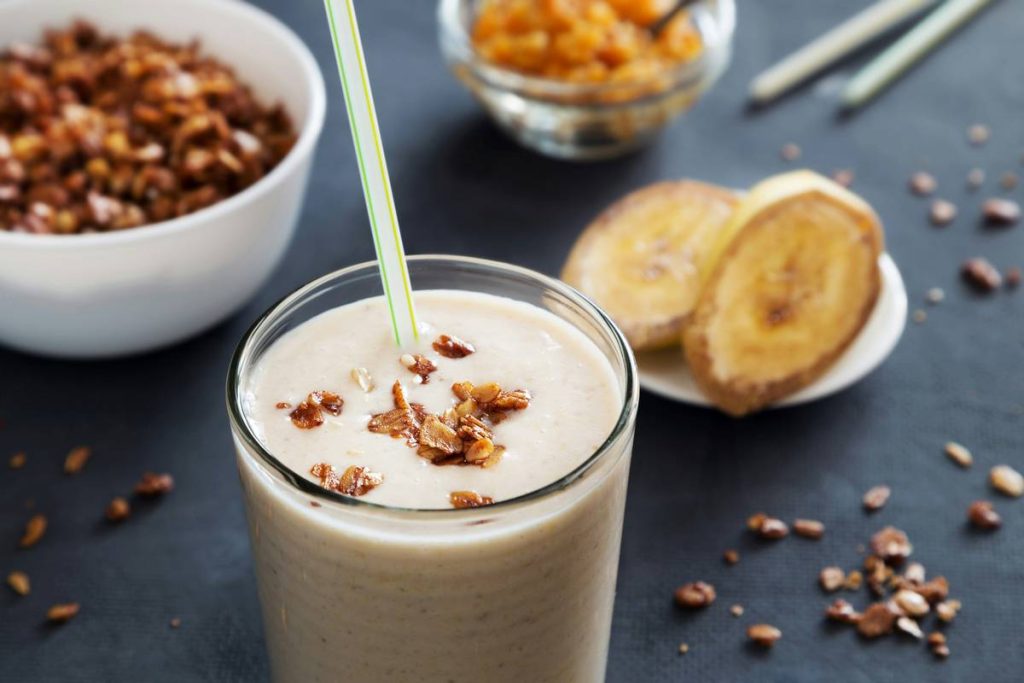
You blend spinach, banana, and almond milk—call it a “healthy” smoothie. But hours later, you’re hungry again. Crashing. Reaching for sugar. The problem? Most “healthy” smoothies are just glorified desserts with a kale leaf tucked in the corner. You’re drinking empty calories masked as wellness. Here’s how to actually make smoothies healthy—nutritionally complete, blood-sugar stable, and genuinely satisfying.
Why Your “Healthy” Smoothie Isn’t Working
Smoothies fail when they’re built on fruit-heavy formulas with zero protein or fat. A 2023 clinical review in Nutrition Today found that smoothies lacking balanced macronutrients spike insulin within 20 minutes—then crash harder than coffee. And most store-bought powders? Loaded with maltodextrin, synthetic isolates, or hidden cane sugar. You think you’re detoxing. You’re just feeding inflammation.
Worse yet: blending destroys fiber integrity if you over-process greens. That “green juice” glow fades fast when your gut lacks prebiotic fuel. Real nourishment isn’t about color—it’s chemistry.
How to Make Smoothies Healthy: A Step-by-Step Framework
Forget recipes. Adopt ratios. Precision beats guesswork every time.
Step 1: Anchor with Protein—Not Just Powder
Use whole-food protein first: Greek yogurt, silken tofu, or hemp seeds. Powders are fine—but only if third-party tested (look for NSF Certified for Sport or Informed-Choice logos). Avoid anything with “natural flavors” unless you’ve vetted the brand. And never exceed 25g per serving—more strains digestion without added benefit.

Step 2: Choose Low-Glycemic Fruit—Strategically
Berries > bananas. Avocado counts as fruit—and fat. Stick to ≤½ cup of high-sugar fruit (mango, pineapple) and always pair it with fat or fiber. Frozen is fine—but skip “smoothie packs” with apple juice concentrate. That’s liquid candy.
Step 3: Add Functional Fats—Non-Negotiable
No fat = no satiety. Period. Flax oil oxidizes when blended—use whole chia or walnuts instead. MCT oil? Only if you tolerate it; many experience digestive turbulence. A thumb-sized chunk of avocado delivers creaminess + monounsaturated fats without flavor interference.
Step 4: Boost—Don’t Bloat
Cacao powder? Fine. Greens powder? Risky unless organic and heavy-metal tested. Skip spirulina unless sourced from controlled bioreactors—ocean-harvested batches often contain microcystins. Better: add a handful of raw baby kale—it blends smoother than mature leaves and retains sulforaphane when not overheated.
| Base Type | Protein (per serving) | Added Sugar | Cost per Serving | Gut Impact |
|---|---|---|---|---|
| Dairy Milk + Whey | 22g | 8g (lactose) | $1.20 | Moderate bloat risk (lactose) |
| Oat Milk + Pea Protein | 18g | 7g (added) | $1.80 | High FODMAPs—avoid if sensitive |
| Coconut Water + Hemp Seeds | 12g | 3g (natural) | $2.10 | Low irritation, high magnesium |
| Water + Silken Tofu + Chia | 15g | 0g | $1.40 | Best for gut resilience |
The Industry Secret: Texture Dictates Satisfaction More Than Nutrition
Here’s what supplement brands won’t tell you: thickness triggers fullness signals faster than macros alone. A 2022 sensory study at Wageningen University proved participants felt 37% more satiated by viscous smoothies—even with identical calories. The fix? Never blend more than 45 seconds. Add ice last. Use frozen cauliflower rice for neutral bulk—it disappears taste-wise but adds chew resistance that slows gastric emptying. And always drink from a bowl with a spoon. Yes, really. Oral processing time matters. Your brain registers “meal,” not “snack.”
But don’t take my word for it. Try this tomorrow: same ingredients, blended thin vs. thick. Notice which keeps you off Instagram food reels at 11 a.m.
FAQ
Can I make healthy smoothies without protein powder?
Absolutely. Use ½ cup Greek yogurt, ¼ cup silken tofu, or 2 tbsp hemp seeds. Whole foods outperform isolates for sustained amino acid release.
Are green smoothies actually good for you?
Only if oxalate-rich greens (spinach, chard) are limited to 1–2x/week. Rotate with low-oxalate options like romaine or cucumber. Pair with calcium-rich foods to bind oxalates.
How do I keep my smoothie from separating?
Blend fats first (avocado, nut butter), then liquids, then powders. Add ice last. Consume within 10 minutes—oxidation degrades nutrients fast.