You wake up with dull skin, puffy eyes, and zero glow—despite your $200 serums. You’re layering actives like your life depends on it, but your complexion still looks… tired. And yet, you’re ignoring what might be the most potent beauty tool sitting in your kitchen: a simple smoothie. The benefits of smoothies go far beyond quick breakfasts—they’re bioavailable nutrient bombs that feed your skin from the inside out.
Why Topical Skincare Alone Fails
Slathering on vitamin C won’t fix a systemic deficiency. Your epidermis is the last organ to receive nutrients—after your brain, heart, and liver get theirs. If your diet lacks phytonutrients, antioxidants, or essential fatty acids, no cream can compensate. And processed “green” juices? Often loaded with hidden sugars that spike insulin—triggering inflammation and collagen breakdown. Skincare without internal support is like painting over rust.
The Benefits of Smoothies: A Step-by-Step Guide to Radiant Skin from Within
Forget one-size-fits-all recipes. Real results come from strategic blending—matching ingredients to your skin’s actual needs.
Start With a Base That Absorbs
Coconut water? Great for electrolytes—but skip if you’re acne-prone (it’s high in natural sugars). Unsweetened almond milk works for most, but oat milk spikes blood sugar faster than you think. Best base for glowing skin: chilled green tea—it delivers EGCG, a polyphenol proven to reduce UV damage and sebum oxidation.
Layer in Skin-Specific Superfoods
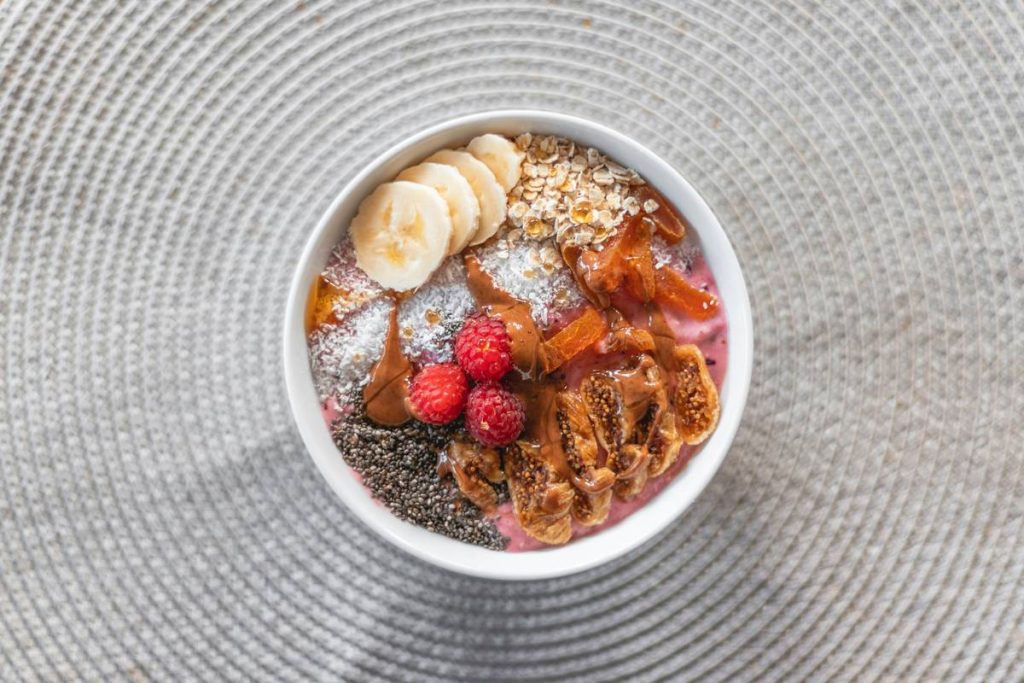
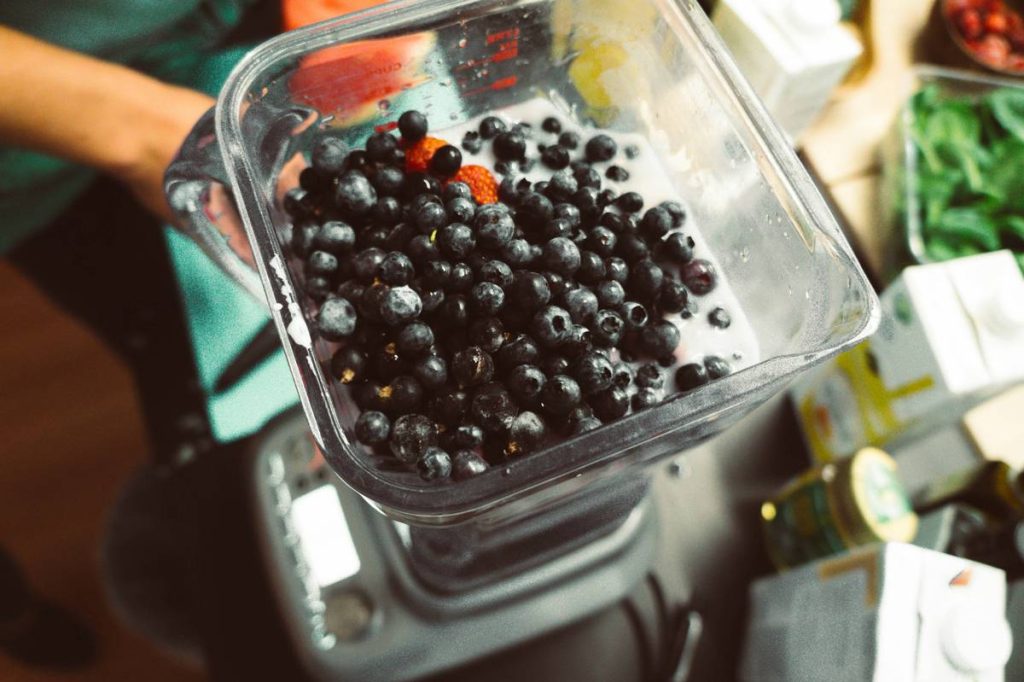
Not all greens are equal. Spinach? Fine. But moringa leaf powder has 7x more vitamin C than oranges—and stabilizes keratin production. Add 1 tsp. Want to tackle redness? Toss in frozen blueberries—packed with anthocyanins that strengthen capillaries. Dry skin? Half an avocado brings in monounsaturated fats that rebuild your lipid barrier better than any ceramide serum.
Avoid the “Healthy” Trap
That banana-honey-almond butter combo? Delicious—but glycemic. High-GI smoothies = glycation = stiff, yellowed collagen. Keep total sugar under 8g per serving. Use cinnamon instead of sweeteners—it lowers post-meal glucose spikes by 29% (yes, really).

| Ingredient Type | Skin Benefit | Potency Per Serving | Cheap Alternative? |
|---|---|---|---|
| Moringa powder | Brightens, reduces hyperpigmentation | High (vitamin C + quercetin) | No—worth the investment |
| Frozen wild blueberries | Calms rosacea, strengthens capillaries | Very high (anthocyanins) | Yes—buy in bulk, freeze |
| Chia seeds | Hydrates, reduces transepidermal water loss | Moderate (omega-3 ALA) | Yes—cheaper than flax |
| Collagen peptides | Boosts dermal density | Low unless hydrolyzed | No—skip unless verified grass-fed |

The Industry Secret: Timing Beats Ingredients
Here’s what supplement brands won’t tell you: when you drink your smoothie matters more than what’s in it. Consume it within 30 minutes of waking—on an empty stomach—to maximize nutrient uptake. Why? Your gut’s permeability peaks at dawn. Miss that window, and fiber-rich blends compete with other foods, slashing absorption by up to 60%. And never add ice—cold blunts enzymatic activity. Room-temp liquids only. This tiny shift? It’s the difference between marginal results and visible luminosity in 10 days.
Frequently Asked Questions
Do smoothies really improve skin health?
Yes—if they’re low-sugar and rich in polyphenols. Clinical studies link daily anthocyanin intake to 22% higher hydration and reduced wrinkle depth in 8 weeks.
Can I replace meals with smoothies for clearer skin?
Occasionally, yes—but never long-term. Your skin needs protein and zinc from whole foods. Use smoothies as nutrient boosters, not sole sustenance.
Are store-bought smoothies as good as homemade?
Rarely. Most contain added sugars and pasteurization destroys heat-sensitive enzymes. Always check labels—under 5g sugar and no “juice concentrate.”