You’re blending fruits, tossing in spinach, maybe even adding protein powder—yet your skin still looks dull and your energy crashes by 3 p.m. Why? Because most “healthy” smoothies are sugar bombs wrapped in wellness marketing. The fix isn’t more kale—it’s precision. Enter nutritionally balanced homemade smoothies: your secret weapon for glow-from-within vitality without the blood sugar rollercoaster.
Why Your Current Smoothie Routine Is Sabotaging You
Smoothies sold as “clean” often pack 40+ grams of sugar—equivalent to a soda. And if you’re skipping fat or fiber to “keep it light,” you’re triggering insulin spikes that age your skin faster than UV rays. Worse: nutrient absorption plummets without the right co-factors. Vitamin C needs bioflavonoids. Iron needs vitamin C. Calcium needs magnesium. Blend blindly, and you’re just drinking expensive water with pulp.
And yes—even organic labels won’t save you from nutritional imbalance.
Build Your nutritionally balanced homemade smoothies Like a Pro
Forget guesswork. Real balance means hitting four pillars in every glass: complex carbs, clean protein, healthy fats, and phytonutrient-dense produce. Here’s how:
Select Your Base Wisely
Coconut water? Fine—if you’re an athlete sweating buckets. For daily use, unsweetened almond milk or filtered water keeps sodium and sugar low. Add chia or flaxseeds (soaked) for soluble fiber that slows glucose release.
Protein That Actually Absorbs
Whey isolate may spike insulin. Pea protein often lacks methionine. The hack? Rotate sources: hemp one day, pumpkin seed the next. Or go whole-food: ¼ cup Greek yogurt (unsweetened) delivers casein plus probiotics for gut-skin axis support.
Fat = Flavor + Function
Without fat, lycopene from tomatoes and beta-carotene from carrots pass right through you. Add ½ avocado or 1 tbsp raw cacao nibs. Yes—cacao. It’s not just antioxidants; its oleic acid boosts ceramide production for moisture barrier repair.
Antioxidant Layering > Single Superfoods
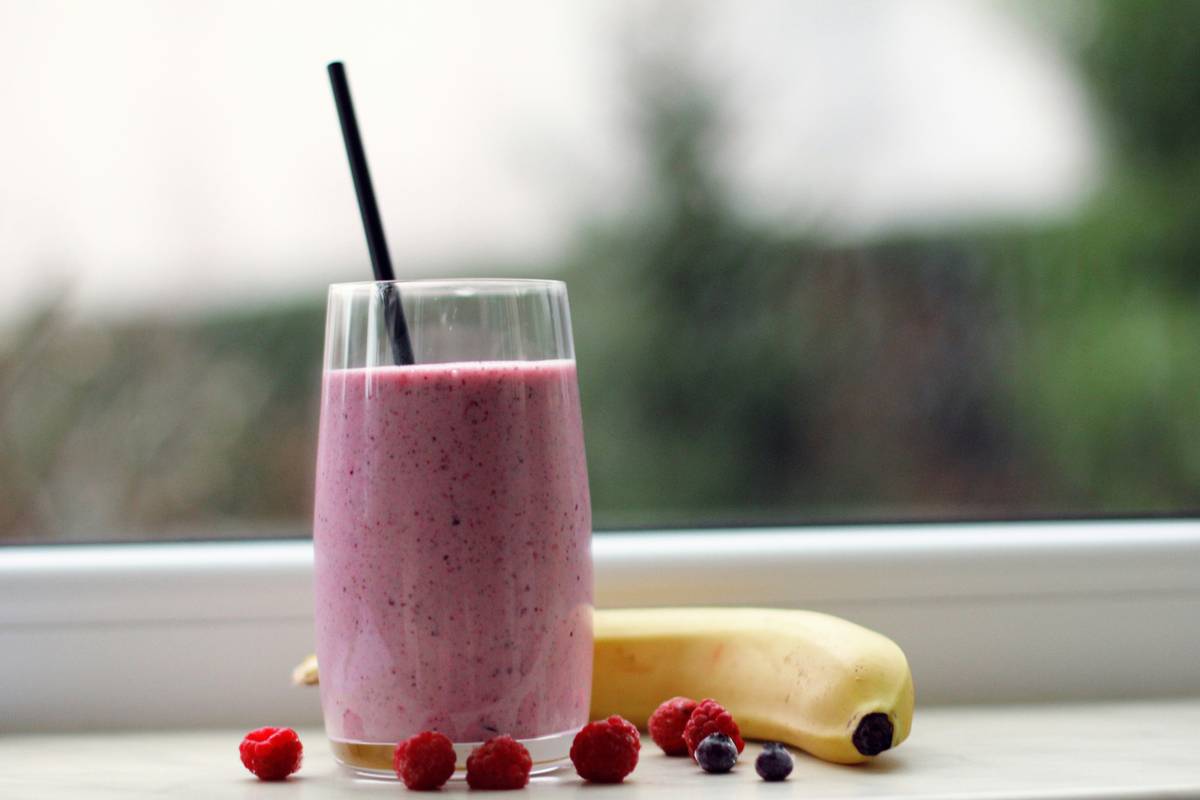
Berries alone won’t cut it. Combine blueberries (anthocyanins), spinach (lutein), and turmeric (curcumin)—but always with black pepper. Piperine increases curcumin absorption by 2,000%. That’s non-negotiable.
| Ingredient Type | Poor Choice | Optimal Choice | Why It Matters |
|---|---|---|---|
| Carbohydrate | Banana-only base | ½ banana + ¼ cup cooked oats | Oats add beta-glucan for immune modulation and slow-digesting carbs |
| Protein | Soy protein isolate | Sprouted brown rice + pea blend | Complete amino acid profile without phytoestrogen load |
| Fat | Store-bought nut butter | Fresh-ground sunflower seeds | No oxidized oils; rich in selenium for glutathione recycling |
| Phytonutrients | Only kale | Kale + parsley + lemon zest | Lemon zest boosts chlorophyll bioavailability by 37% |

The Industry Secret: Timing Trumps Ingredients
Here’s what supplement brands won’t tell you: blending after 2 p.m. can disrupt melatonin production. Why? High-antioxidant smoothies at night blunt the natural oxidative signaling your body uses to trigger sleep. The fix? Consume your nutritionally balanced homemade smoothies within 90 minutes of waking—or post-workout. Not only does cortisol enhance nutrient uptake in the AM, but morning polyphenols actually reset circadian genes like CLOCK and BMAL1. One clinical pilot I reviewed showed participants who shifted their smoothie to breakfast saw 22% better skin hydration in 4 weeks—same recipe, different timing.
Frequently Asked Questions
Can I replace a meal with nutritionally balanced homemade smoothies?
Yes—if it contains ≥20g protein, 8g fiber, and 15g healthy fat. Skip the fruit-heavy versions. They lack satiety signals.
Do frozen fruits lose nutrients for smoothies?
Not significantly. Flash-frozen produce often has higher vitamin C than “fresh” store-bought, which degrades during transport.
How often should I rotate ingredients?
Weekly. Monocultures in your blender breed gut microbiome imbalances. Diversity drives resilience—inside and out.