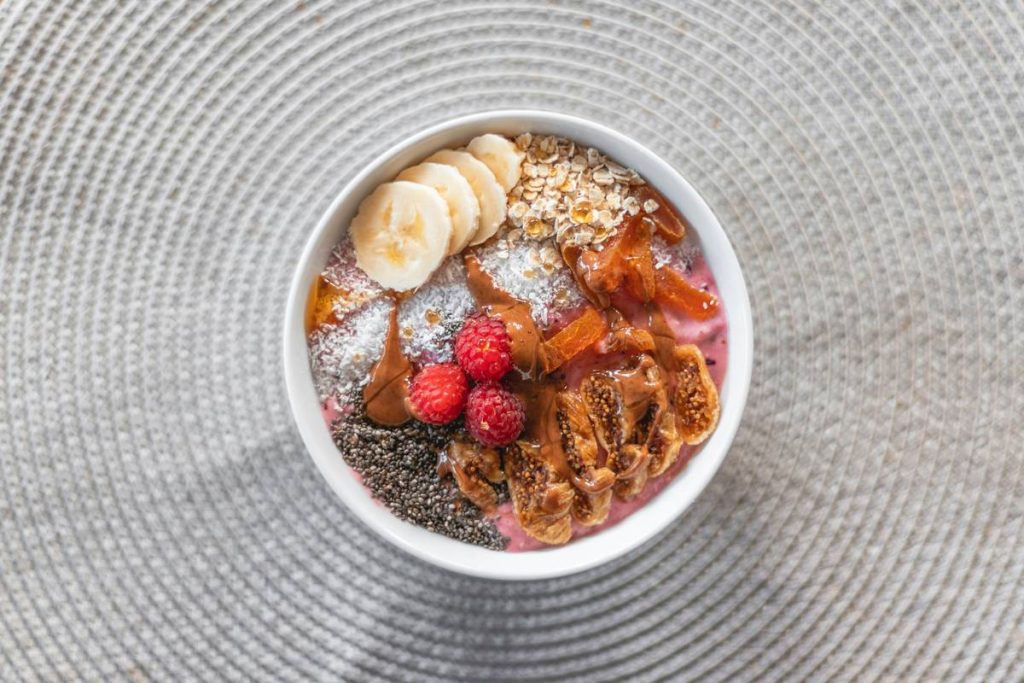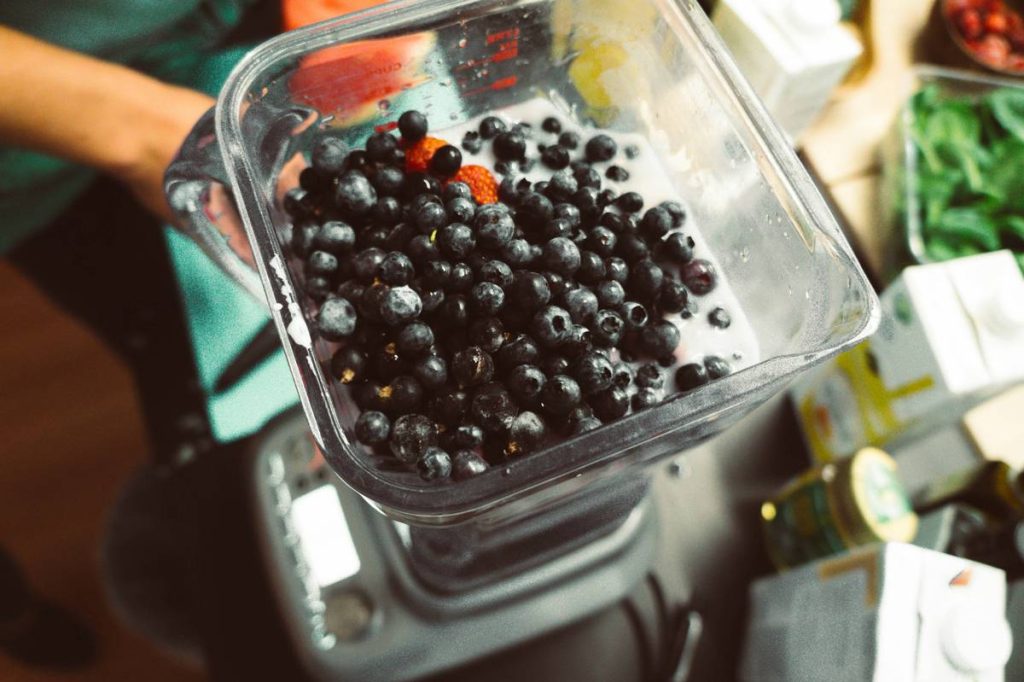
You’re blending smoothies daily—yet your skin stays dull, breakout-prone, or dry. Why? Most “healthy” recipes are just fruit sugar traps masquerading as wellness. The real issue isn’t effort—it’s ingredient intelligence. Here’s how to craft smoothies that feed your skin from within, not spike insulin and trigger inflammation.
Why Your Go-To Smoothie Recipe Is Failing Your Skin
Conventional smoothie advice pushes bananas, mangoes, and apple juice as “natural” sweeteners. Natural ≠ skin-friendly. High-glycemic fruits surge blood sugar—spiking insulin, which ramps up sebum production and collagen breakdown. And store-bought powders? Often loaded with maltodextrin, synthetic flavors, or fillers that do nothing for radiance. You’re drinking calories, not nutrients.
And here’s the kicker: even green smoothies can backfire if you drown kale in pineapple and dates. Balance matters more than color.
What Smoothies Can I Make That Deliver Real Results?
Forget trendy detox blends. Build smoothies around three pillars: low-glycemic produce, skin-specific fats, and targeted superfoods. Precision beats volume.
Choose Your Base Wisely
Ditch fruit-heavy liquids. Use unsweetened almond milk, coconut water (sparingly), or plain kefir. Cold-pressed cucumber or celery juice adds hydration without sugar spikes.
Prioritize Skin-Supportive Fats
Omega-3s and monounsaturated fats = your skin’s best friends. Add 1 tbsp chia seeds, flax oil, or half an avocado. These reduce redness and strengthen your moisture barrier—something no topical cream can replicate alone.
Add Targeted Superfood Boosters
This is where organic smoothies earn their keep. Spirulina for detox, camu camu for vitamin C (collagen synthesis!), and maqui berry for anthocyanins that fight oxidative stress. Skip generic “green blends”—they dilute potency.

| Smoothie Type | Key Ingredients | Skin Benefit | Glycemic Load |
|---|---|---|---|
| Collagen Renewal | Spinach, camu camu powder, chia seeds, unsweetened oat milk, pea protein | Boosts collagen, reduces fine lines | Low |
| Anti-Inflammatory Glow | Kale, turmeric root, flax oil, hemp seeds, cucumber | Calms redness, evens tone | Very Low |
| Hydration Shield | Celery, aloe vera gel, blueberries (5–6 only), avocado, coconut water | Plumps skin, locks in moisture | Low-Moderate |

The Industry Secret: Timing Trumps Trendiness
Here’s what supplement brands won’t tell you: when you drink your smoothie matters more than exotic powders. Consume it within 45 minutes of waking—before coffee or carbs. Why? Cortisol peaks in the AM. Pairing a low-glycemic, fat-rich smoothie with that natural cortisol rise enhances nutrient uptake into skin cells. Drink it post-workout? You’ll burn off those precious omegas as fuel—not direct them to dermal repair. And never blend with ice; cold shocks digestion and slows absorption. Room temp only.
Frequently Asked Questions
Can I use frozen fruit in skin-healthy smoothies?
Yes—but limit to ¼ cup berries max. Frozen bananas or mangoes still spike glucose. Stick to wild blueberries or blackberries for antioxidants without sugar overload.
How often should I drink these smoothies for visible results?
Consistency beats frequency. Three times weekly with precise ingredients yields better outcomes than daily sugar-heavy versions. Give it 4 weeks—then check your cheek texture in natural light.
Are store-bought organic smoothies okay?
Rarely. Even “clean” brands sneak in apple juice concentrate or agave. If it lists >8g sugar per serving, skip it. Real skin nutrition doesn’t come in bottles with shelf lives longer than your kombucha.